When considering a Total Knee Replacement (TKR), most patients look forward to a life free from chronic pain and stiffness. While TKR is one of the most successful orthopedic procedures, a small percentage of patients may encounter a specific and frustrating complication known as “patellar clunk.” The term “clunk” perfectly describes the issue: a palpable…
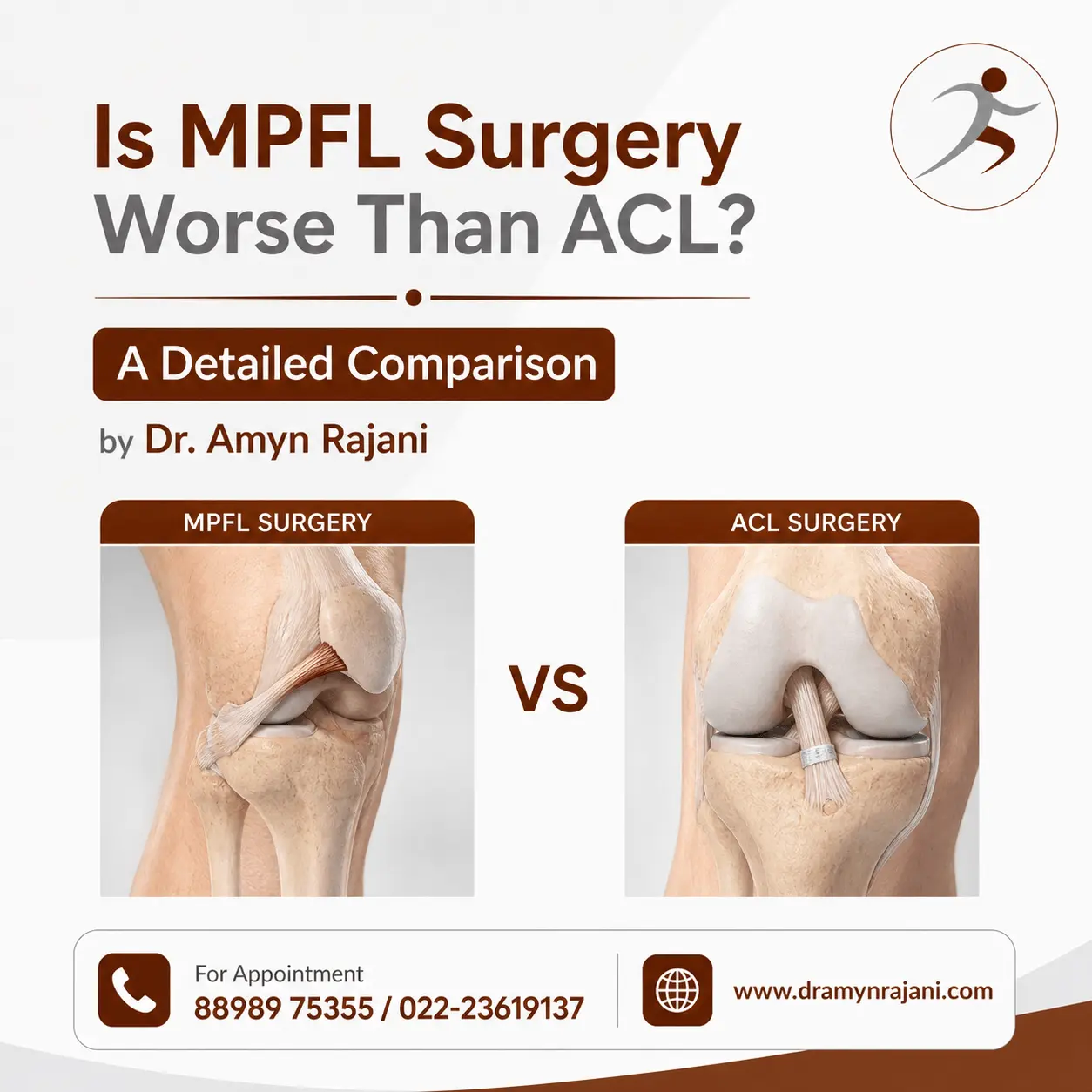
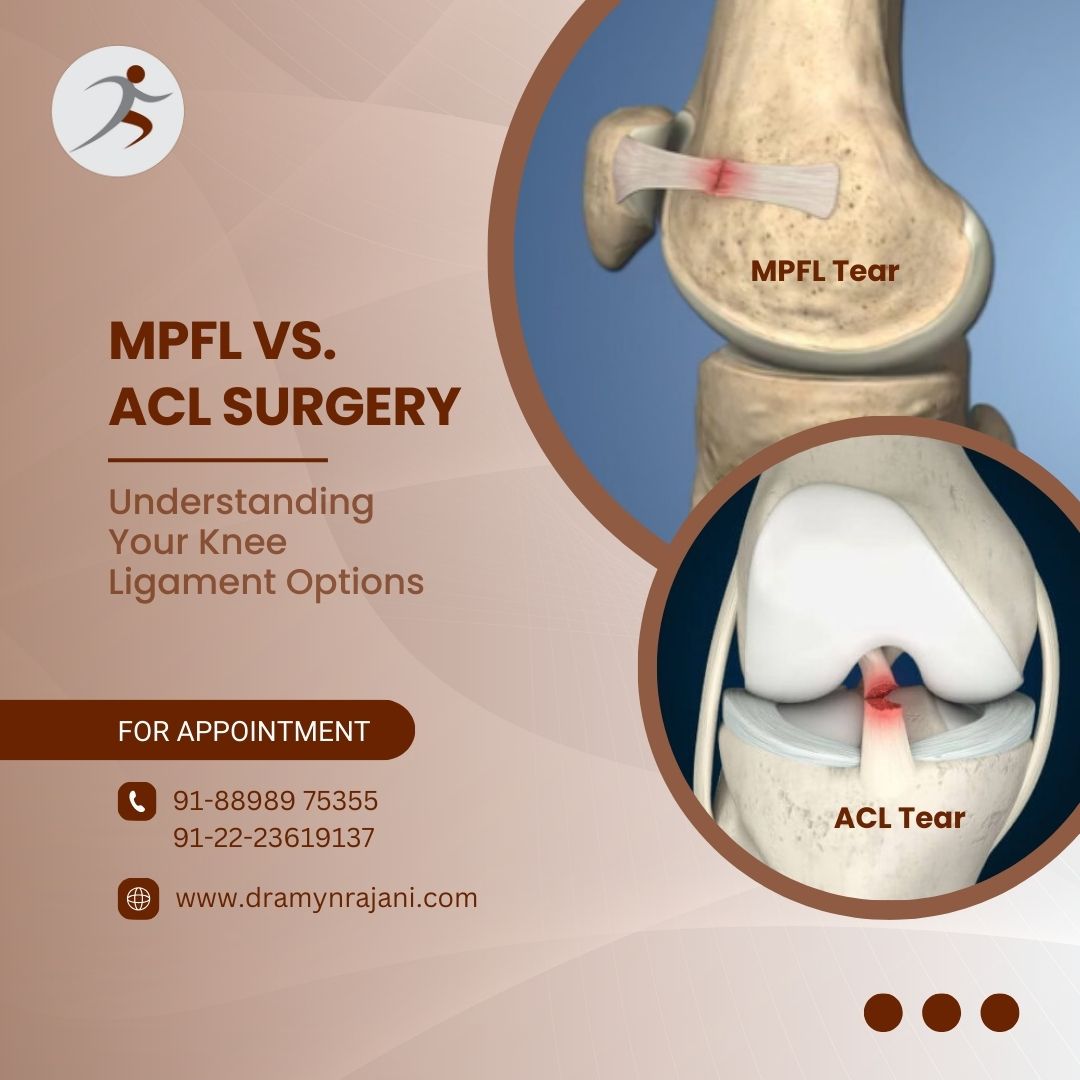
Read MoreWhen faced with knee pain or instability, understanding your diagnosis and treatment options is crucial. Two common knee injuries that sometimes require surgery involve the Medial Patellofemoral Ligament (MPFL) and the Anterior Cruciate Ligament (ACL). A question many patients ask is, “Is MPFL surgery worse than ACL surgery?” The answer isn’t simple, as “worse” is…

Read MoreUnderstanding Triangular Notch Morphology and ACL Injuries When we think about sports injuries in young athletes, we often look at training techniques, footwear, or playing surfaces. But what if the problem lies deeper—within the structure of the knee itself? Recent research published in the Journal of Athletic Training Science & Sports Medicine has uncovered a…
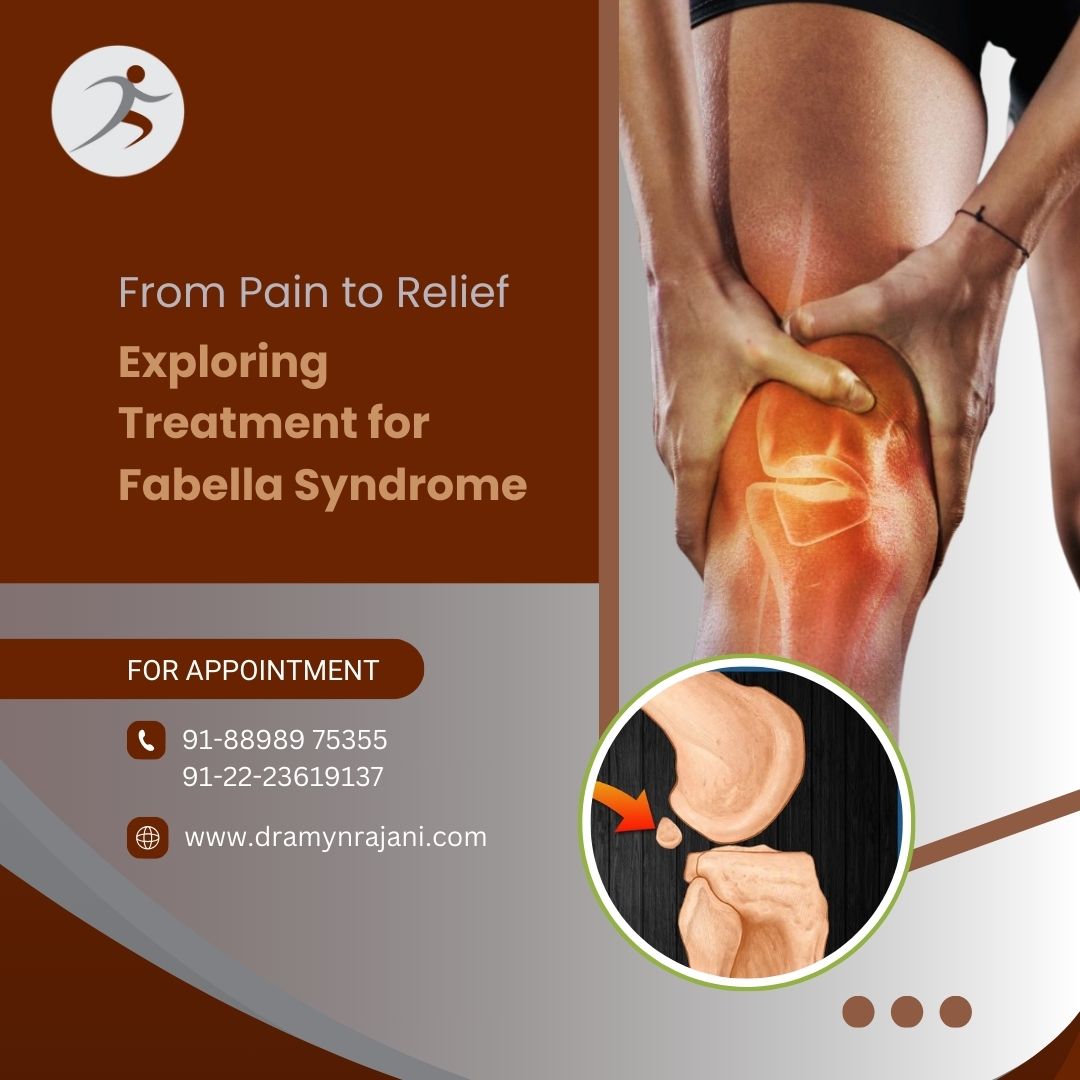
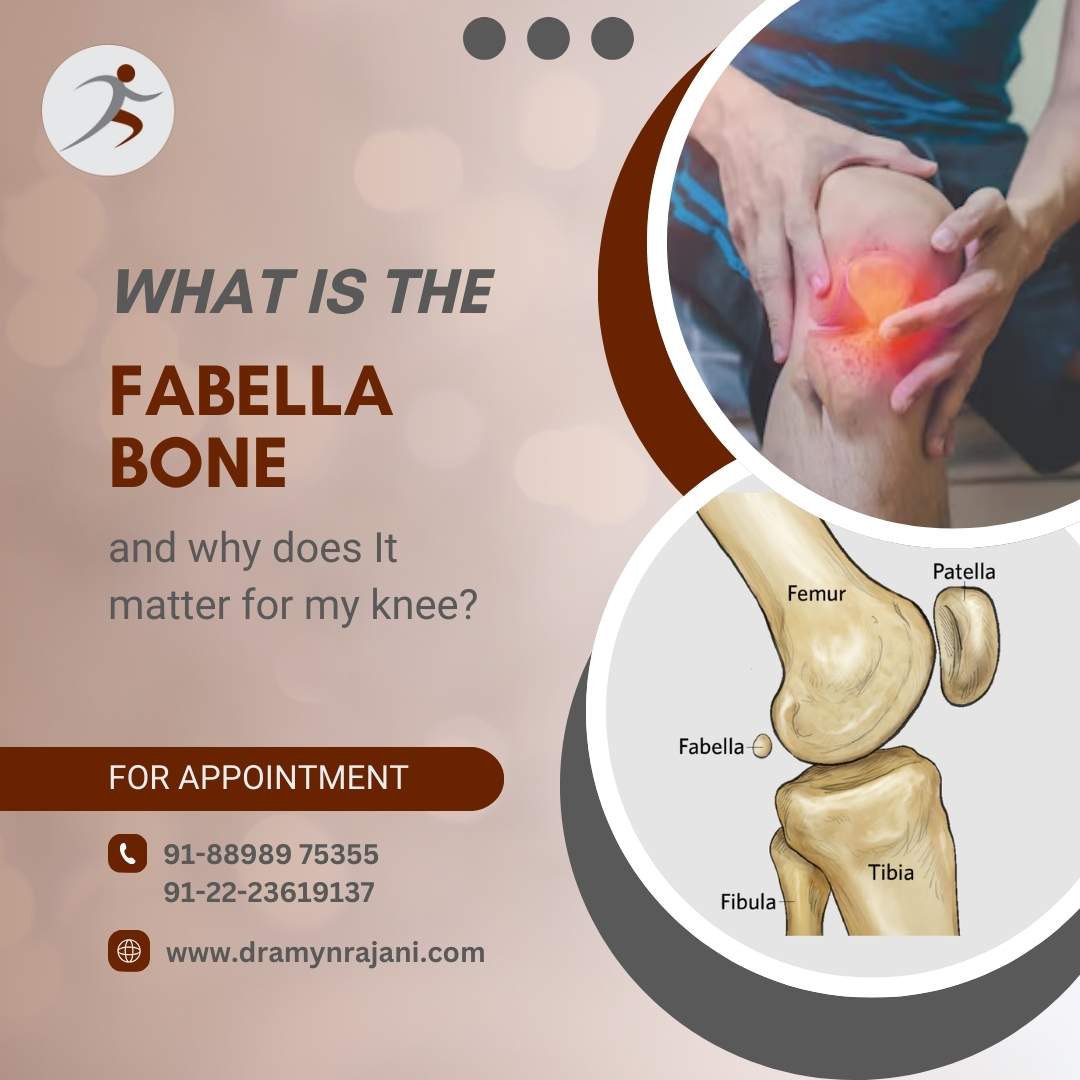
Read MoreKnee pain can be debilitating, affecting your mobility and quality of life. While common conditions like arthritis and ligament injuries are well-known, there are lesser-known issues like Fabella Syndrome that can cause significant discomfort. Fabella Syndrome is a condition involving the fabella, a small sesamoid bone located in the tendon behind the knee. Though not…
Read MoreMPFL surgery and ACL surgery both address knee instability, but they treat different structures and different types of knee problems. The Medial Patellofemoral Ligament (MPFL) helps stabilise the kneecap, while the Anterior Cruciate Ligament (ACL) helps control forward and rotational movement of the knee. ACL injuries are particularly common in sports involving sudden stops, changes…
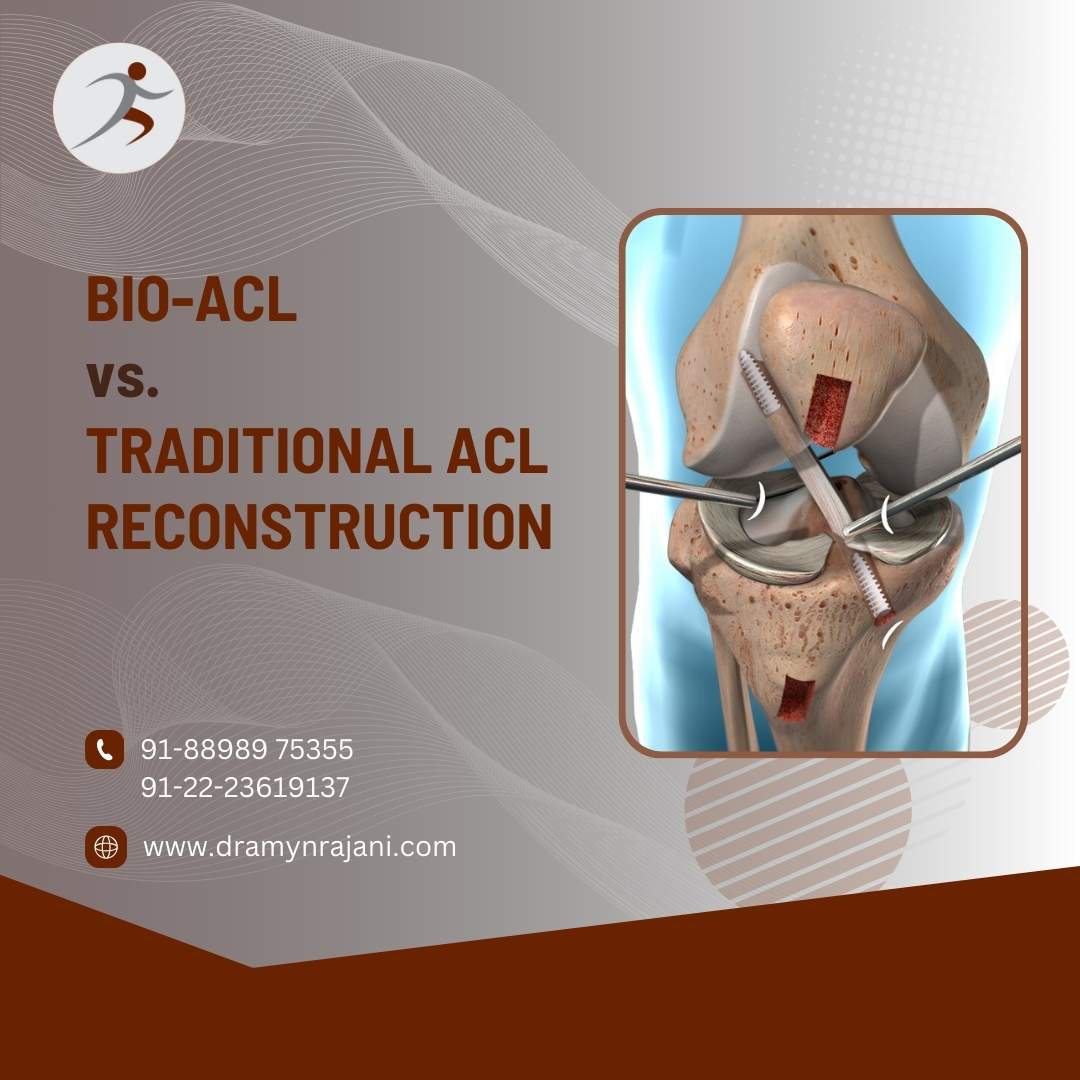
Read MoreAnterior Cruciate Ligament (ACL) injuries are common among athletes and active individuals. When the ACL tears, it often requires surgical intervention to restore knee stability and function. In recent years, Bio-ACL reconstruction has emerged as a promising alternative to traditional ACL reconstruction techniques. But how does it compare, and is it truly a game-changer? This…
Read MoreThe Anterior Cruciate Ligament (ACL) is one of the key stabilizing ligaments in the knee. It prevents excessive forward movement of the shinbone (tibia) relative to the thighbone (femur) and provides rotational stability. An ACL injury, particularly a tear, can significantly impact an athlete’s ability to perform at their highest level. Understanding which sports carry…
Read MoreThe fabella bone is a small sesamoid bone found at the back of the knee. Unlike the patella, or kneecap, it is present only in some people. In many cases, the fabella causes no symptoms and is found incidentally on a knee X-ray or scan. However, a problematic fabella can sometimes contribute to pain at…
Read MorePatellar Clunk Syndrome (PCS) is a relatively uncommon but troubling complication that can arise after total knee replacement surgery. It primarily affects patients with posterior-stabilized knee implants, where a polyethylene component is inserted to replace the worn-out cartilage between the femur and tibia. This syndrome is characterized by a painful clicking or clunking sound and…
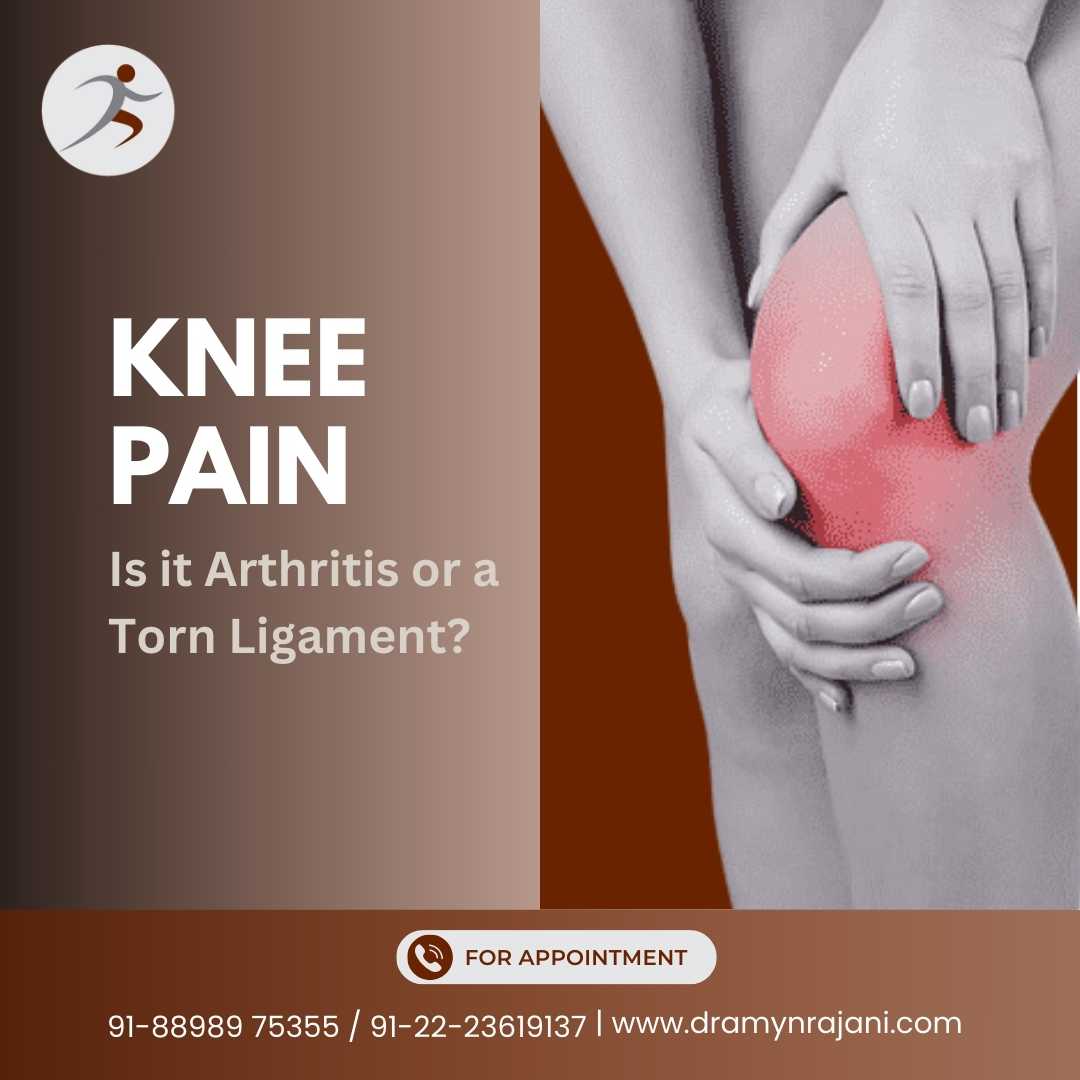
Read MoreKnee pain can be an alarming and frustrating experience for many people. Whether you’re an athlete, an active individual, or someone just going about daily life, knee pain can significantly impact your quality of life. One of the most common dilemmas people face when dealing with knee pain is understanding the underlying cause. Is it…
Read More