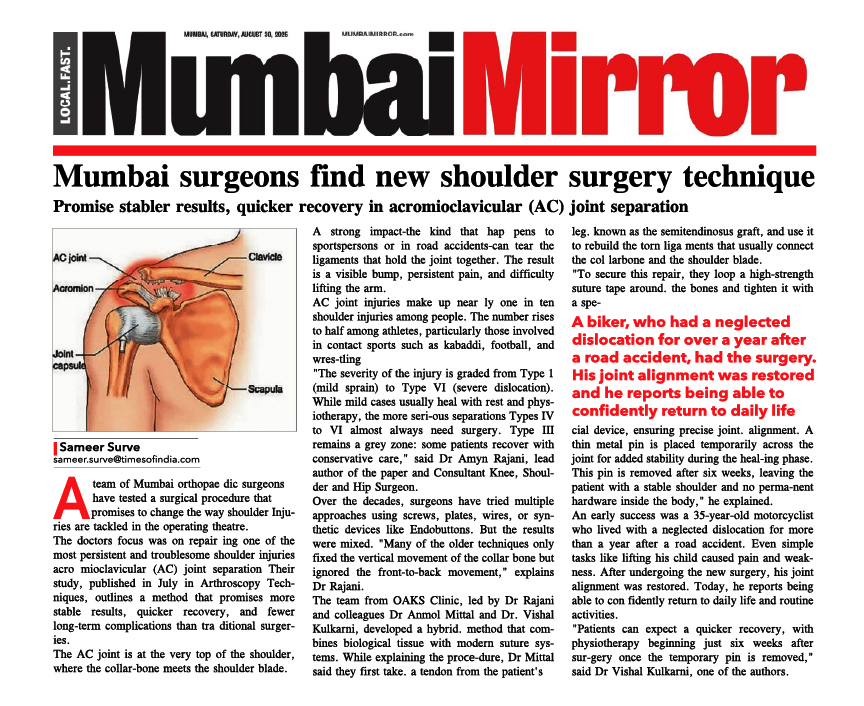
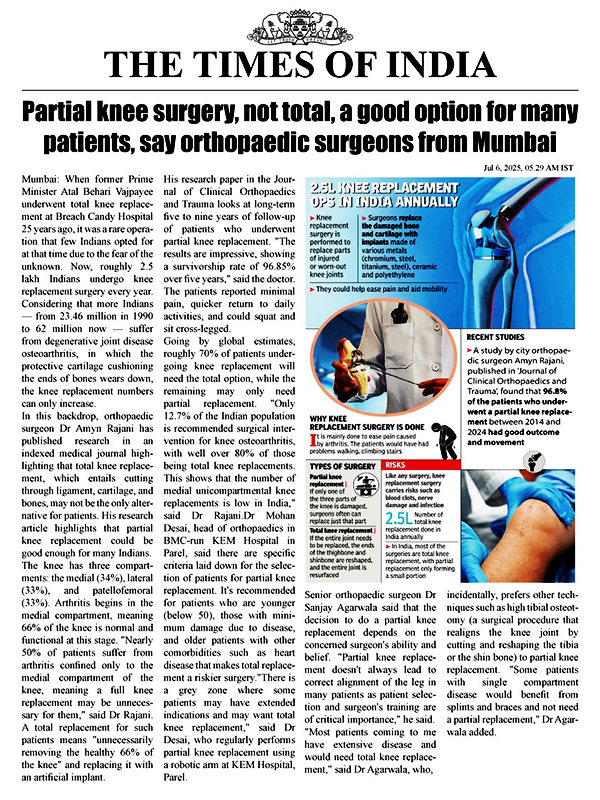
What is Robotic Total Hip Replacement?
Robotic total hip replacement is a surgical procedure for severe hip arthritis and related conditions caused by arthritis, fractures, or other hip joint conditions. Unlike traditional hip replacement surgery, this technique utilizes robotic technology to enhance the precision and accuracy of the procedure.
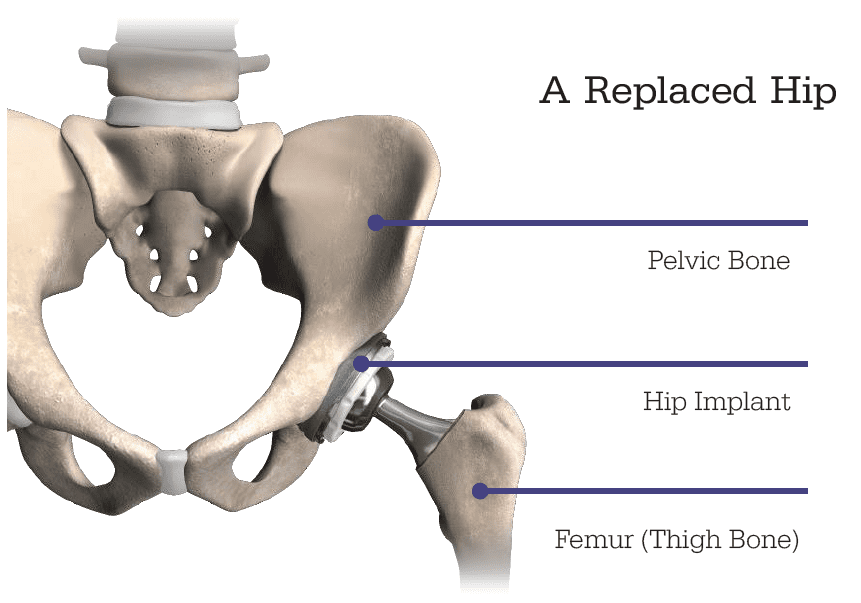
A robotic arm, guided by the surgeon, assists in removing the damaged parts of the hip joint and replacing them with artificial components. The use of robotics allows for a more customized and minimally invasive approach, leading to better alignment and outcomes.
How Does Mako Total Hip Replacement (THA) Work?
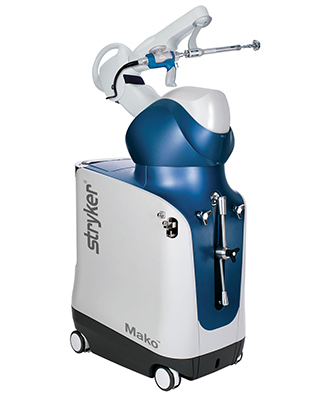
Mako total hip replacement is a robotic-assisted procedure that uses a CT-based surgical plan tailored to each patient's unique anatomy. The process begins with a CT scan of the hip, which creates a 3D model of the patient's hip joint. This model is used to pre-plan the surgery, determining the optimal size, orientation, and positioning of the implants.
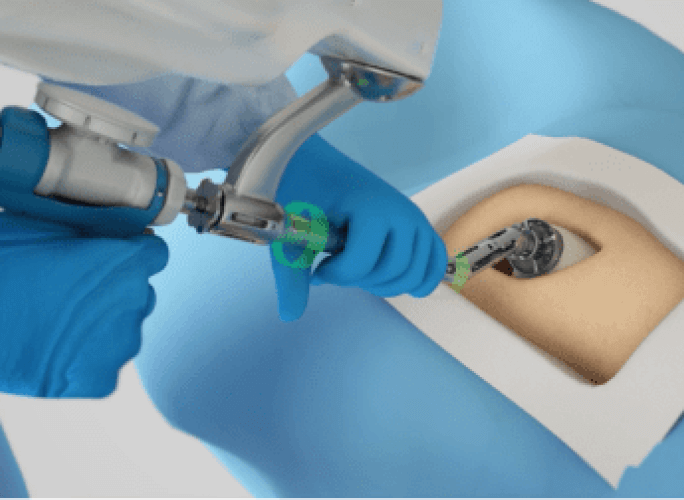
During the surgery, the Mako robotic arm assists the surgeon in executing the pre-planned procedure with exceptional precision. The system provides real-time feedback to guide implant placement, reducing the risk of complications, and improving the longevity of the hip replacement. The surgeon remains in full control, with the robotic arm enhancing their ability to perform the procedure with greater accuracy.
Benefits of Robotic Total Hip Replacement
Robotic Total Hip Replacement offers several advantages over traditional hip replacement surgery:
- Enhanced Precision: The robotic system allows for highly accurate implant placement, which can lead to better alignment and a more natural feel in the hip joint.
- Customized Surgical Plan: The use of 3D modeling and pre-surgical planning ensures that the procedure is tailored to the patient’s specific anatomy, potentially leading to better outcomes.
- Minimally Invasive: Robotic assistance enables a less invasive approach, reducing the size of the incision and minimizing damage to surrounding tissues.
- Faster Recovery: The precise nature of the surgery often results in less pain, a shorter hospital stay, and a quicker return to daily activities.
- Reduced Risk of Complications: Robotic assistance aims to improve implant positioning; complications, including dislocation, can still occur.

Hip Pain that May Qualify for Robotic Surgery
Robotic Total Hip Replacement may be recommended for patients experiencing severe hip pain that affects their quality of life. Common conditions that may qualify for this procedure include:
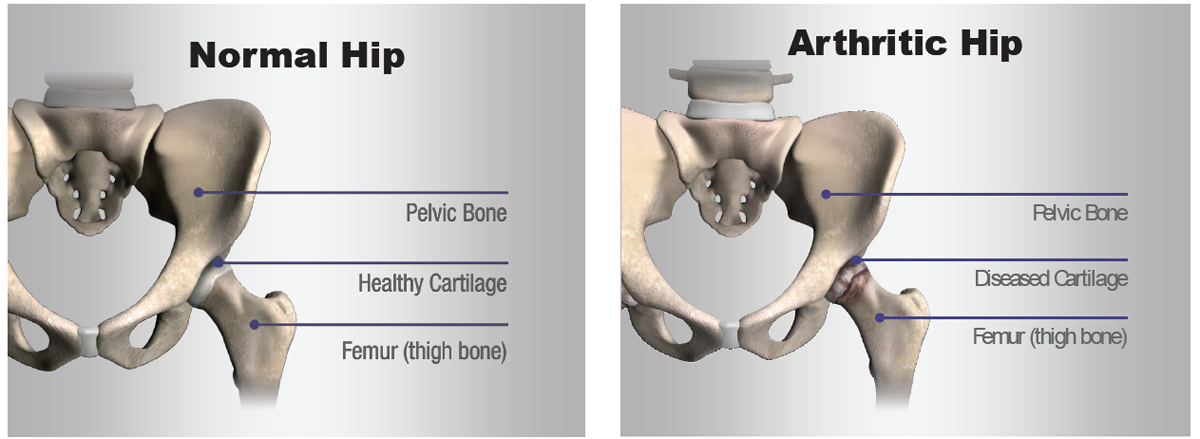
- Osteoarthritis: The most common cause of hip pain, where the cartilage in the hip joint wears away, causing pain and stiffness.
- Rheumatoid Arthritis: An autoimmune condition that leads to inflammation of the hip joint, causing pain and swelling.
- Avascular Necrosis: A condition where the blood supply to the hip bone is reduced, leading to bone tissue death and joint pain.
- Hip Fractures: Severe fractures of the hip joint that cannot be effectively treated with other methods.
- Post-Traumatic Arthritis: Arthritis that develops after a hip injury or fracture.
If conservative treatments such as medication, physical therapy, or lifestyle changes have not provided relief, and the pain continues to interfere with daily activities, robotic hip replacement surgery may be an appropriate option.
Recovery Process After a Robotic Total Hip Replacement
Recovery varies; current evidence has not consistently shown faster recovery or less pain than conventional hip replacement. However, recovery times can vary based on individual factors such as age, overall health, and the extent of the surgery.
- Immediate Post-Surgery: Patients are usually encouraged to start moving and walking with assistance within a day or two after surgery. Physical therapy begins almost immediately to promote healing and restore mobility.
- First Few Weeks: Many patients notice less pain and better function over the following weeks to months; recovery varies.
- Long-Term Recovery: Full recovery can take several months, but patients can often return to normal activities, including work and recreational activities, within 6 to 12 weeks. Adherence to the rehabilitation plan is crucial for achieving the best possible outcome.
Patients are advised to avoid high-impact activities and follow their surgeon's recommendations to ensure a successful recovery.
FAQs About Robotic Total Hip Replacement
Is robotic hip replacement surgery safe?
Robotic hip replacement is an established procedure, but like any surgery it carries risks, including infection, blood clots, dislocation and nerve injury.
How long does robotic hip replacement surgery take?
The surgery typically takes about 1 to 2 hours, depending on the complexity of the case. The pre-surgical planning and robotic assistance may reduce the time required for the actual procedure compared to traditional methods.
What is the difference between robotic and traditional hip replacement?
Robotic hip replacement involves the use of a robotic arm and 3D modeling to plan and execute the surgery with high precision. Traditional hip replacement relies solely on the surgeon's skill without the aid of robotic technology. Robotic surgery may improve implant positioning accuracy; differences in recovery are not consistently proven.
Will I need physical therapy after robotic hip replacement?
Yes, physical therapy is an essential part of the recovery process. It helps restore strength, mobility, and function to the hip joint. Your surgeon and physical therapist will design a personalized rehabilitation plan for you.
How long will the hip implant last?
With proper care, the hip implant used in robotic hip replacement surgery can last 15 to 20 years or more. Advances in materials and surgical techniques have improved the longevity of hip replacements.
Am I a candidate for robotic hip replacement surgery?
Candidates for robotic hip replacement are typically those who suffer from severe hip pain due to conditions like osteoarthritis, rheumatoid arthritis, or hip fractures and have not found relief from conservative treatments. A thorough evaluation by an orthopedic surgeon is necessary to determine if this procedure is right for you.