Knee Replacement Surgery Recovery Time
Most people are helped to stand and walk soon after a knee replacement, but that is only the start of recovery. Knee replacement surgery recovery time is usually measured in months, not days. Many leave hospital within 1-3 days, may try walking without an aid at around six weeks, and return to work according to progress and job demands.
There is no single “normal” knee replacement surgery recovery time. Strength, health, smoking, the procedure and rehabilitation can all change the pace. Looking at before and after knee replacement surgery as milestones is more useful than treating one date as a deadline.
Knee Replacement Surgery Recovery Time at a Glance
A practical knee replacement surgery recovery time can look like this:
- First 1-3 days: pain and swelling are expected. Assisted walking and simple exercises usually begin.
- Weeks 1-2: wound care, swelling control, safe movement and regular exercises take priority.
- Weeks 3-6: walking often becomes easier and reliance on a frame, crutches or stick may reduce.
- Weeks 6-12: driving and work become realistic for some people once safety, strength and function are adequate.
- Months 3-6: strength, endurance and confidence can continue to improve; swelling may still come and go.
- Beyond 6 months: function can continue to change, so knee replacement surgery recovery time does not suddenly end at a particular week.
These are broad markers. Your clinical team should guide your knee replacement surgery recovery time.
The First Few Days After Knee Replacement
The early aim is pain control, wound protection and safe movement. NHS guidance says many people leave hospital in 1-3 days when the wound is healing and mobility is safe. Dr Amyn Rajani’s aftercare programme similarly uses staged mobilisation.
Pain and swelling are common. Before and after knee replacement surgery, swelling can remain noticeable during recovery.
Weeks 1-2: Settling Into Recovery at Home
At home, knee replacement surgery recovery time becomes about consistency: short walks, prescribed exercises, rest, medication and wound care. Many people still use a walking aid.
Before and after knee replacement surgery, do not copy somebody else’s schedule. Balance, pain and muscle control matter when reducing an aid. NHS advice also recommends planning home help, transport and easy access to frequently used items.
Weeks 3-6: Walking, Stairs and Independence
By weeks three to six, walking distance can increase and stairs may become easier, although stiffness, fatigue and swelling can persist. Knee replacement surgery recovery time can feel uneven from one day to the next.
NHS guidance suggests trying to walk without an aid at around six weeks if you feel ready. That is not a compulsory target. Before and after knee replacement surgery, gait quality and safety matter more than reaching a date on the calendar.
Weeks 6-12: Driving and Returning to Work
For total knee replacement, NHS guidance advises waiting at least six weeks before driving and confirming that you can safely control the vehicle and perform an emergency stop.
Return to work varies. NHS guidance gives roughly 6-12 weeks. A 2023 systematic review and meta-analysis found that job demands influence return. Knee replacement surgery recovery time should therefore reflect what your work asks your knee to do.
Months 3-6 and Beyond
Later recovery is often about endurance, strength and making movement feel less deliberate. A 2025 systematic review found that functional recovery trajectories vary. The NHS notes that full recovery may take several months or longer, making knee replacement surgery recovery time a range rather than a finish line.
Knee Replacement Recovery Time for Elderly Patients
Knee replacement recovery time for elderly patients should never be reduced to “older people recover slowly”. Two people of the same age can start surgery with very different strength, balance, mobility and medical histories.
Knee replacement recovery time for elderly patients may be influenced by frailty, medical conditions, pre-operative mobility and home support as much as age. Before and after knee replacement surgery, planning safe access, transport, meals and daily help can reduce stress. For knee replacement recovery time for elderly patients, progress should be judged against the person’s starting point.
Physiotherapy During Knee Replacement Recovery
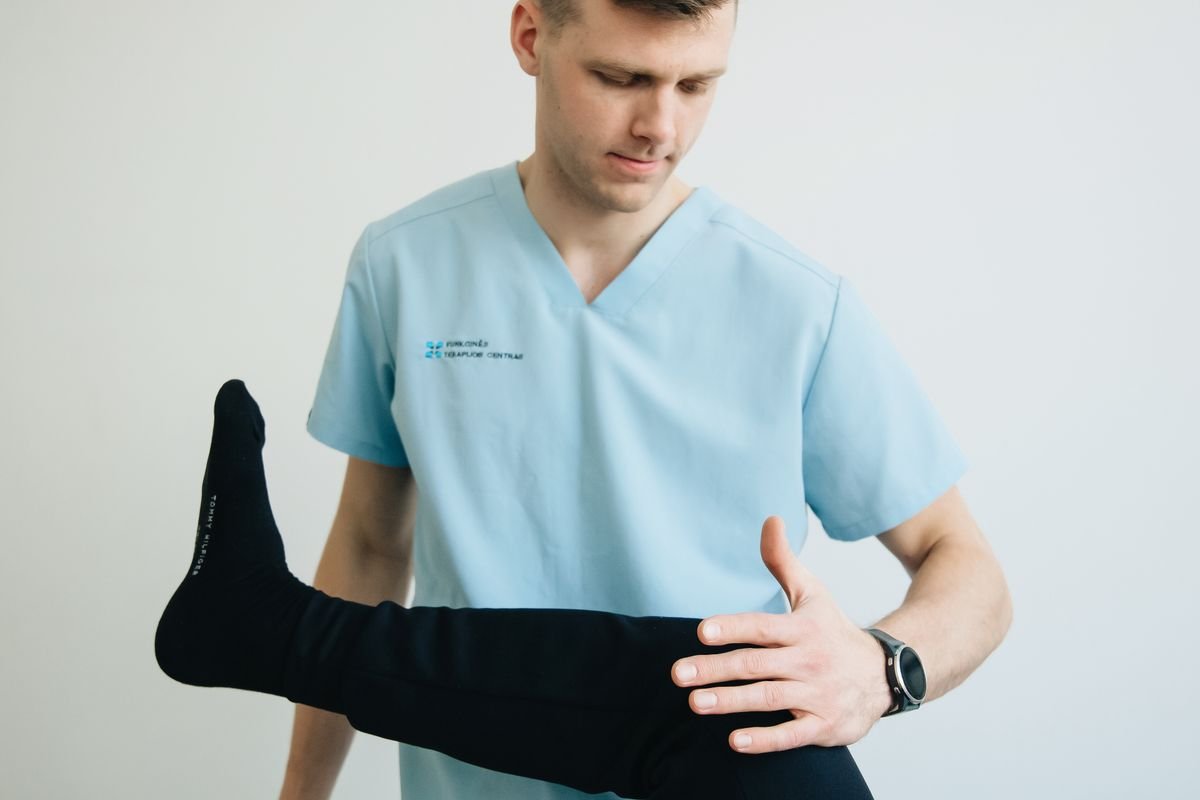
Rehabilitation is central to knee replacement surgery recovery time. Exercises restore movement and muscle function, while progressive walking and strengthening rebuild capacity. A 2025 systematic review of randomised trials evaluated early physiotherapy after total knee arthroplasty. Dr Rajani’s knee rehabilitation information also emphasises stretching and strengthening. Before and after knee replacement surgery, exercises should still be individualised.
If pain or swelling suddenly increases after exercise, do not assume that more pain means better progress. Knee replacement surgery recovery time benefits from consistency, not from forcing a healing joint.
Research Insight From Dr Amyn Rajani: Early Pain Control
Pain control matters because patients need to be comfortable enough to move and participate in rehabilitation. In a 2024 prospective, double-blinded randomised placebo-controlled trial, Dr Amyn Rajani and colleagues studied 106 patients undergoing single-setting bilateral total knee arthroplasty.
The researchers reported lower pain scores at several early follow-ups and reduced additional NSAID use in the low-dose duloxetine group, while recording adverse effects. This does not mean duloxetine suits everyone; medication decisions belong with the clinician. For knee replacement surgery recovery time, the broader point is that symptom control can affect participation in rehabilitation.
What Can Slow Knee Replacement Recovery?
A longer knee replacement surgery recovery time does not automatically mean something has gone wrong. Poor strength, severe deformity, obesity, diabetes, smoking, anaemia, previous surgery and complications can affect progress. Before and after knee replacement surgery, health optimisation matters. NHS guidance discusses exercise, smoking, healthy eating and weight management; none guarantees a faster knee replacement surgery recovery time.
Partial Versus Total Knee Replacement Recovery
NHS guidance states that partial knee replacement recovery should be shorter than total replacement recovery. That does not make partial replacement suitable for everyone; the pattern of arthritis and clinical assessment determine the operation. Before and after knee replacement surgery, expectations should match the procedure performed.
When Should You Seek Medical Help?
Some soreness, swelling and warmth can be expected. NHS guidance advises urgent assessment for worsening redness, swelling or pain, wound discharge, fever or cramping leg pain. Difficulty breathing or chest pain with leg swelling requires emergency care. These warning signs sit outside an ordinary knee replacement surgery recovery time.
Frequently Asked Questions
How long does knee replacement surgery recovery take?
Knee replacement surgery recovery time commonly extends over several months. Walking and daily activities improve earlier, while strength, swelling and confidence may continue changing beyond six months.
When can I walk normally after knee replacement?
Walking usually begins early with support. NHS guidance suggests trying without an aid at around six weeks if ready, but your strength, balance and physiotherapist’s advice should decide the timing.
What is the knee replacement recovery time for elderly patients?
Knee replacement recovery time for elderly patients has no fixed age-based timetable. Pre-operative mobility, frailty, strength, medical conditions, support at home and rehabilitation all influence progress.
When can I drive after total knee replacement?
NHS guidance advises waiting at least six weeks after total knee replacement and checking that your doctor considers you fit to drive. You must be able to control the car and perform an emergency stop safely.
Is swelling normal three months after knee replacement?
It can be. Swelling may persist for several months, but new or worsening swelling, calf symptoms, wound changes, chest pain or breathlessness needs medical assessment.
Can recovery take longer than six months?
Yes. Knee replacement surgery recovery time can extend beyond six months. Persistent or worsening problems should still be discussed with the surgical team rather than assumed to be normal.
How should I prepare before surgery?
Before and after knee replacement surgery, follow your clinical team’s advice. Before surgery this may include appropriate exercise, smoking cessation, nutrition, weight management and arranging practical help at home.
Is partial knee replacement recovery faster?
For suitable patients, NHS guidance says partial knee replacement recovery should be shorter than total replacement recovery. The right procedure depends on the pattern of knee damage and clinical assessment.